

Finding a more personalized option for your child’s education has never been easier in Georgia. As interest in at-home learning grows, parents have started to ask one question: What’s the difference between homeschool versus online school in Georgia?
While both models let students learn from home and at their own pace, they differ in structure, oversight, and parental responsibilities.
Homeschooling is parent-led. Families plan lessons and deliver instruction, managing progress on their own. Online public schools (including Virtual Prep Academy of Georgia) offer a certified, state-approved curriculum delivered by licensed teachers. This model also offers built-in support for students learning at home.
No matter your child’s stage in their educational journey, whether they’re just beginning in online elementary school, navigating the exciting and sometimes challenging years of online middle school, or preparing for their future in online high school, they deserve an education that truly works for them. The right learning environment can inspire curiosity, build confidence, and open doors to opportunities that last a lifetime. That’s why understanding the similarities and key differences between homeschool and online school is so important. By seeing how each model supports students on their journey, you’ll be better prepared to choose the path that aligns with your family’s values and your child’s unique needs.
Similarities Between Traditional Homeschool and Online School
Online schooling and homeschooling in Georgia share several common benefits. Both models let students work in a distraction-free environment and learn at their own pace. They also give families the ability to build schedules to fit their children’s needs and natural learning rhythms.
Because of their in-home nature, parent involvement is key in both learning models. IN a homeschool environment, parents or guardians are responsible for everything; they must choose the curriculum, deliver the lessons, and grade the assignments. In an online school, parents take on the role of Learning Coach. This supportive role helps their students stay motivated and organized, while licensed teachers provide instruction and evaluate progress.
Because of their similarities and how online learning works, some families combine the approaches. They might start with homeschooling when children are younger and transition to online school as the material becomes more advanced or students need more support.
Both paths can be highly personalized, but online school offers added structure, professional instruction, and academic oversight that busy families often find helpful.
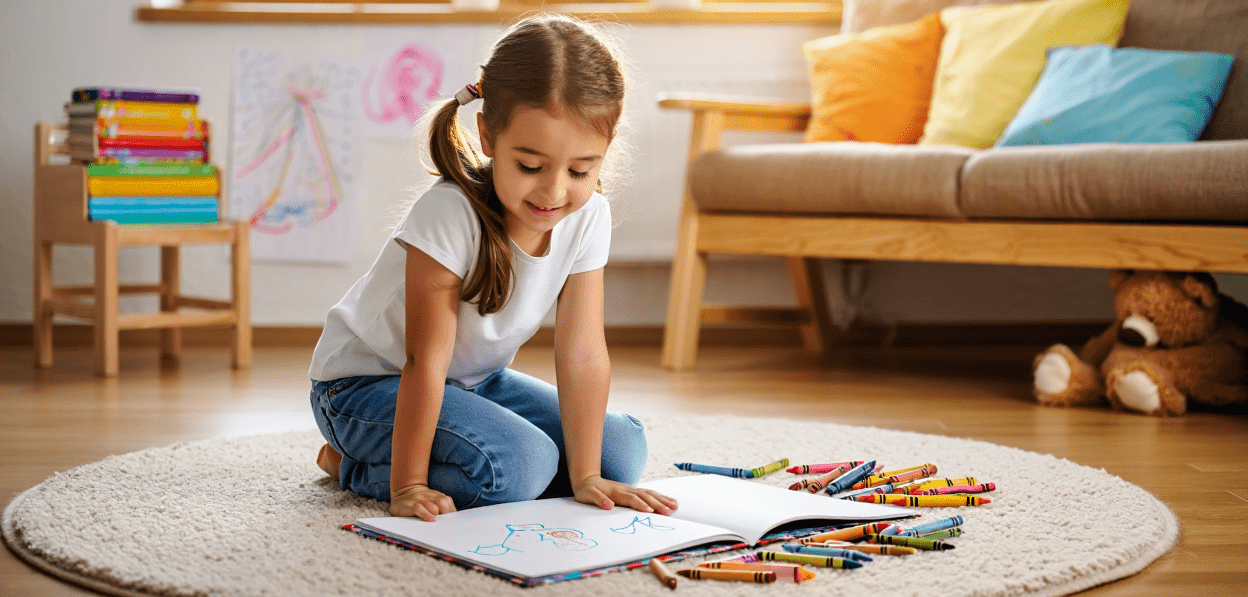
Curriculum Differences Between Online Schooling and Traditional Homeschooling in Georgia
One of the key distinctions between homeschooling and online schooling in Georgia is who takes responsibility for sourcing and delivering the curriculum.
Homeschooling families take full ownership of their children’s education. They choose or design the curriculum, buy the materials, and make sure everything aligns with Georgia state education requirements. While this level of control is attractive to some families, it comes with a steep learning curve and time commitment. It can also be expensive (as we’ll touch on in a bit).
In contrast, online schools like Virtual Prep Academy of Georgia offer a complete, state-aligned curriculum taught by certified teachers. Students get instruction in the core subjects (math, English, science, and social studies) and exposure to a wide selection of electives and college- or career-prep courses, depending on grade level.
Online school also includes built-in assessments and progress tracking to help ensure students meet the benchmarks of their personalized pacing. Families receive the assurance of a structured program without having to plan or teach every subject themselves.
For many parents, the academic support and accountability offered by online schools make them a more sustainable option.
Socialization and Community Engagement with Online and Homeschool
Social interaction often looks different in online school versus homeschool settings, but both allow students to connect and build friendships.
Parents of homeschooling students often arrange social activities like co-ops, field trips, and sports teams. These opportunities are valuable, but they require planning and coordination. If a family lives in a rural area or doesn’t have access to many homeschool groups, that’s even more of an issue.
Online schools such as VPREP Georgia make socialization easier by building it into the learning experience. Students participate in live classes and collaborate in group projects, but they also join interest-based clubs or organizations. Some programs even host in-person meetups so students get face-to-face engagement with peers in their area.
Students also build relationships with their teachers and counselors, adding another layer of academic and emotional support. This built-in community is especially meaningful for students who’ve felt isolated or struggled with social anxiety or bullying in traditional school settings.
Cost Considerations for Homeschool vs. Online
Cost is another big consideration when choosing between homeschool and online school in Georgia.
Homeschooling families typically spend between $500 and $2,500 per student per year. These costs include curriculum, books, online subscriptions, testing fees, and other supplies. Technology or extracurricular activities can raise that total even more, especially for families educating multiple children.
Online public schools, including Virtual Prep Academy, are tuition-free. Students get access to certified teachers, a complete K–12 curriculum, and free academic support. Some programs even offer assistance with internet access or learning devices.
For many families, online learning with school support is not only more affordable but also more predictable. It lets parents focus on supporting their child’s education at home without taking on the whole financial or planning burden.
Making the Right Choice for Your Student
Your choice between homeschool and online school in Georgia depends on your family’s goals, availability, and comfort with managing your child’s learning experience.
Homeschooling offers full control but requires a significant time investment, Online school—including VPREP Georgia—offers the flexibility of learning from home with the added structure and support of certified teachers, assessments, and a proven curriculum.
If you’re ready to explore whether online learning is a good fit for your student, review the VPREP Georgia admission process or enroll today.
Frequently Asked Questions
Find answers to common questions about homeschool and online school in Georgia:
What are the main differences between homeschool and online school?
Homeschooling is fully managed by the parent, from choosing curriculum to delivering instruction. Online school provides a certified, state-approved curriculum taught by licensed teachers with built-in academic support.
How does the curriculum differ in homeschooling compared to online schooling?
In homeschooling, families design or purchase their own curriculum. Online schools like VPREP Georgia offer a standards-aligned curriculum, delivered by professional educators, with assessments and learning plans built in.
How flexible are homeschooling and online schooling schedules?
Both models are flexible. Homeschooling is completely self-paced and designed by the parent. Online schools offer flexibility with structure—combining live classes, deadlines, and personalized pacing so students stay engaged and on track.